
In today’s fast-evolving electronic landscape, understanding the difference between a power adapter and a charger is crucial for both consumers and businesses. Zhong Shan Hai Sen Electronics & Lighting Co., Ltd., a global leader in LED sensor lighting and certified power adapters, ensures its customers receive safe, reliable, and efficient power solutions. With products such as the 24V 1.5A Power Adapter, understanding what a power adapter does, how it differs from a charger, and the latest trends in power supply technology will help you optimize device performance while ensuring safety and compliance.
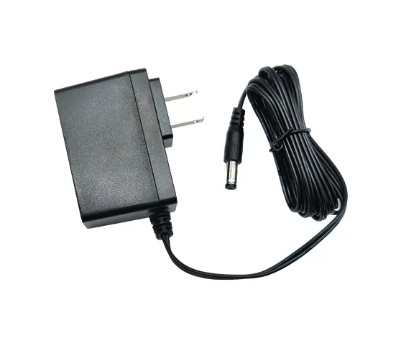
A power adapter is an external power supply that converts high-voltage AC (Alternating Current) from a wall outlet into low-voltage DC (Direct Current) suitable for electronic devices such as LED lighting, routers, monitors, and even laptops. This voltage conversion is critical because most electronics require specific voltages and current levels to operate safely.
The Hai Sen 24V 1.5A Power Adapter exemplifies this functionality, providing:
Input: 100-240V AC, 50/60Hz (compatible with global voltage standards)
Output: 24V DC, 1.5A (36W)
Certifications: CE, CB, PSE, ETL, CETL for global compliance
Features: Over-voltage, over-current, and short-circuit protection ensuring long-term reliability and safety.
Power adapters do not charge devices directly but supply power to devices that may or may not have internal batteries, enabling seamless operation while connected to power sources. They are essential for maintaining the efficiency and longevity of electronic devices by providing a stable and consistent power supply.
Converts AC power to stable DC power: Power adapters ensure that the power supplied to electronic devices is in the correct form, preventing potential damage from incompatible power sources.
Regulates voltage and current to match device requirements: By matching the voltage and current to the device’s specifications, power adapters ensure optimal performance and safety.
Supplies continuous power to devices that do not rely on batteries (e.g., LED sensors, routers): This continuous power supply is crucial for devices that need to operate without interruption.
In devices with batteries, powers the device while the internal charging circuitry manages battery charging: Power adapters work in tandem with the device’s internal charging system to ensure efficient operation and battery management.
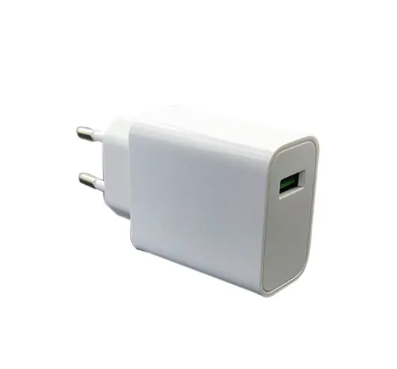
A charger specifically recharges batteries by converting AC to DC at the voltage and current levels needed to safely fill a battery’s energy capacity. While modern laptops, smartphones, and tablets use chargers, many of these devices integrate the charging circuitry internally, using a power adapter as the power source while the device manages the charging process.
Chargers include:
External chargers for removable batteries: These are standalone devices designed to charge batteries that can be removed from the device.
Built-in chargers within devices (laptops, phones): Many modern devices have integrated charging circuits that manage the battery charging process internally.
Smart charging features like overcharge protection, temperature regulation, and automatic shut-off upon full charge: These features ensure that the battery is charged safely and efficiently, extending its lifespan and preventing potential damage.
Converts AC power to DC power: Chargers perform the essential function of converting the AC power from a wall outlet to the DC power required by batteries.
Manages the battery charging process, including current and voltage regulation: Chargers ensure that the battery is charged at the correct voltage and current levels to prevent overcharging or undercharging.
Includes safety circuits to prevent overcharging, overheating, and overcurrent: These safety features protect the battery and the device from potential damage during the charging process.
Indicates charging status through LEDs or displays: Chargers often provide visual indicators to show the charging status, ensuring users are aware of the battery’s charge level.
| Feature | Power Adapter | Charger |
|---|---|---|
| Primary Purpose | Converts AC to DC to power devices | Charges batteries by controlling current and voltage |
| Battery Charging | Does not directly charge batteries | Designed to charge batteries |
| Voltage & Current Control | Regulates output for device operation | Regulates output for safe charging |
| Internal Charging Circuit | Typically absent | Always present |
| Size & Form Factor | Often compact, depending on output wattage | Varies, can be larger due to added circuits |
| Application | LED sensors, routers, monitors | Phones, laptops, power tools |
Power adapters and chargers, while both essential for powering and charging electronic devices, serve distinct functions. Power adapters primarily convert AC to DC to supply power for device operation, whereas chargers are specifically designed to manage the charging process for batteries. Chargers include additional safety and control features to ensure safe and efficient battery charging, making them more complex and often larger in size. Understanding these differences is crucial for selecting the appropriate device for your needs.
Using the wrong power supply can have significant consequences, including:
Damage to your device: Incorrect voltage or current levels can cause malfunctions, reduce performance, and potentially damage internal components.
Inefficient operation: Devices may not function optimally, leading to reduced efficiency and higher energy consumption.
Voided warranties: Using unapproved power supplies can invalidate the warranty of your device, leaving you without support for any issues that arise.
Safety hazards: Overloaded or incompatible power supplies can pose risks such as overheating, electrical surges, and even fires.
Using a certified power adapter like those from Hai Sen ensures:
The correct voltage and current are supplied: Certified adapters are designed to meet the specific power requirements of your devices, ensuring safe and efficient operation.
Compliance with international safety standards: Certified adapters adhere to rigorous safety standards, providing peace of mind and reducing the risk of accidents.
Long-term reliability for your devices: High-quality, certified adapters are built to last, ensuring consistent performance over time and extending the lifespan of your devices.
GaN technology is revolutionizing the adapter and charger market by enabling smaller, lighter, and more efficient designs capable of handling higher power outputs with reduced heat generation. GaN-based adapters and chargers offer several advantages:
Higher power density: GaN allows for more compact designs without compromising on power output.
Lower heat generation: GaN devices operate at lower temperatures, reducing the need for bulky heat sinks and improving overall efficiency.
Faster charging: GaN technology supports higher power delivery, enabling faster charging times for devices.
The adoption of USB-C with Power Delivery is standardizing power delivery across devices, allowing a single adapter to power laptops, smartphones, and other peripherals efficiently. USB-C and PD offer several benefits:
Universal compatibility: USB-C is becoming the standard port for many devices, making it easier to use a single adapter for multiple devices.
Higher power delivery: PD supports higher power outputs, enabling faster charging and more efficient power management.
Dynamic power adjustments: PD allows devices to request the exact amount of power they need, reducing waste and improving efficiency.
Modern chargers and adapters now integrate advanced features to enhance performance and efficiency:
Dynamic power adjustments: Smart chargers can adjust power delivery based on the device’s needs, ensuring optimal charging and reducing energy waste.
Load detection: These devices can detect when a device is connected and adjust power output accordingly, improving efficiency and safety.
Energy-saving features: Modern adapters and chargers include features like low-power mode and automatic shut-off to reduce energy consumption when not in use.
Advanced safety mechanisms: Smart chargers include over-voltage, over-current, and short-circuit protection to safeguard devices from potential damage.
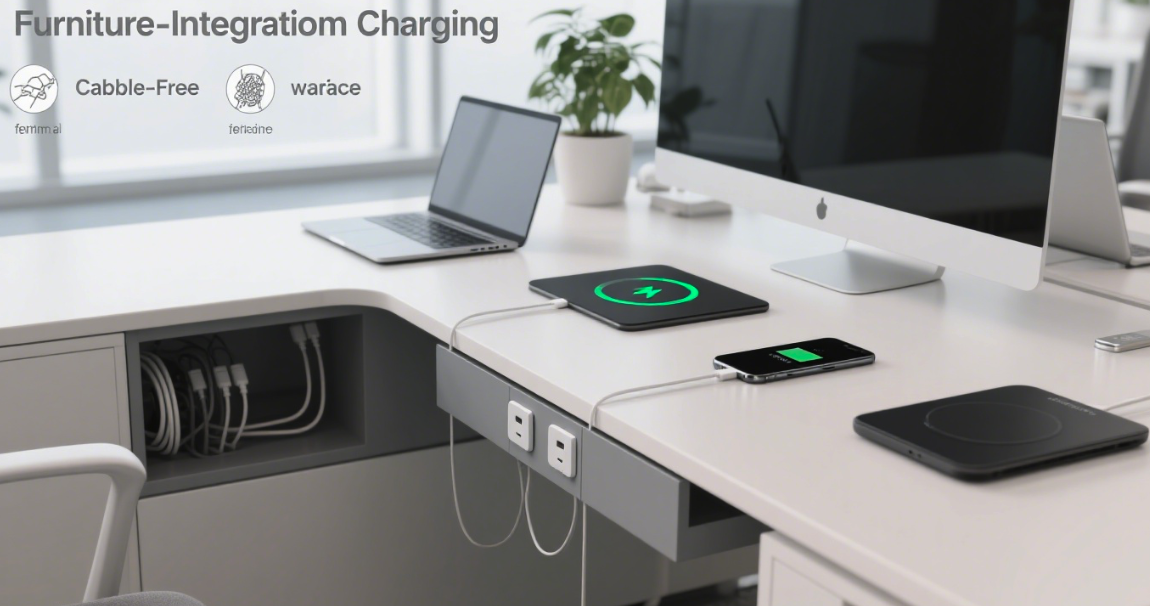
Emerging technologies like resonant charging and furniture-integrated charging solutions are creating more convenient charging experiences while reducing cable clutter. These innovations offer:
Resonant charging: Wireless charging pads and resonant charging systems allow devices to charge without direct contact, providing a more convenient and clutter-free experience.
Furniture-integrated charging: Some furniture designs now include built-in charging solutions, such as wireless charging pads embedded in tables or desks, further simplifying the charging process.
Understanding these trends and advancements can help you make informed decisions when choosing power adapters and chargers, ensuring optimal performance, safety, and efficiency for your devices.
A: A power adapter converts AC power from a wall outlet to DC power for device operation, while a charger specifically manages the battery charging process with safety protocols. Chargers include features like overcharge protection and temperature regulation, which are not present in power adapters.
A: Certified power adapters ensure that the correct voltage and current are supplied to your devices, comply with international safety standards, and provide long-term reliability. Using a certified adapter helps prevent device damage, ensures safety, and maintains warranty coverage.
A: Hai Sen’s 24V 1.5A Power Adapter features an input range of 100-240V AC, 50/60Hz, an output of 24V DC at 1.5A (36W), and includes over-voltage, over-current, and short-circuit protection. It is certified with CE, CB, PSE, ETL, and CETL for global compliance.
A: The latest trends include GaN (Gallium Nitride) technology for smaller, more efficient designs; USB-C and Power Delivery (PD) for universal compatibility and dynamic power adjustments; smart charging features for energy efficiency and safety; and wireless and integrated charging solutions for convenience.
A: GaN technology enables higher power density, lower heat generation, and faster charging times. It allows for more compact designs without compromising on power output, making it ideal for modern, high-efficiency power adapters and chargers.
While the terms power adapter and charger are often used interchangeably, understanding the differences can protect your devices and improve their efficiency. A power adapter provides stable, regulated power for device operation, while a charger manages the battery charging process with safety protocols.
For your LED sensor lights and electronic devices, Hai Sen’s power adapters are engineered to meet the demands of modern devices while ensuring safety, reliability, and compliance with international standards. Visit Hai Sen Electronics to explore our range of certified, high-efficiency power adapters to keep your devices running optimally while protecting your investments.


